SALE PRODUCTS
Coconut Oil
Coconut Oil for Cooking
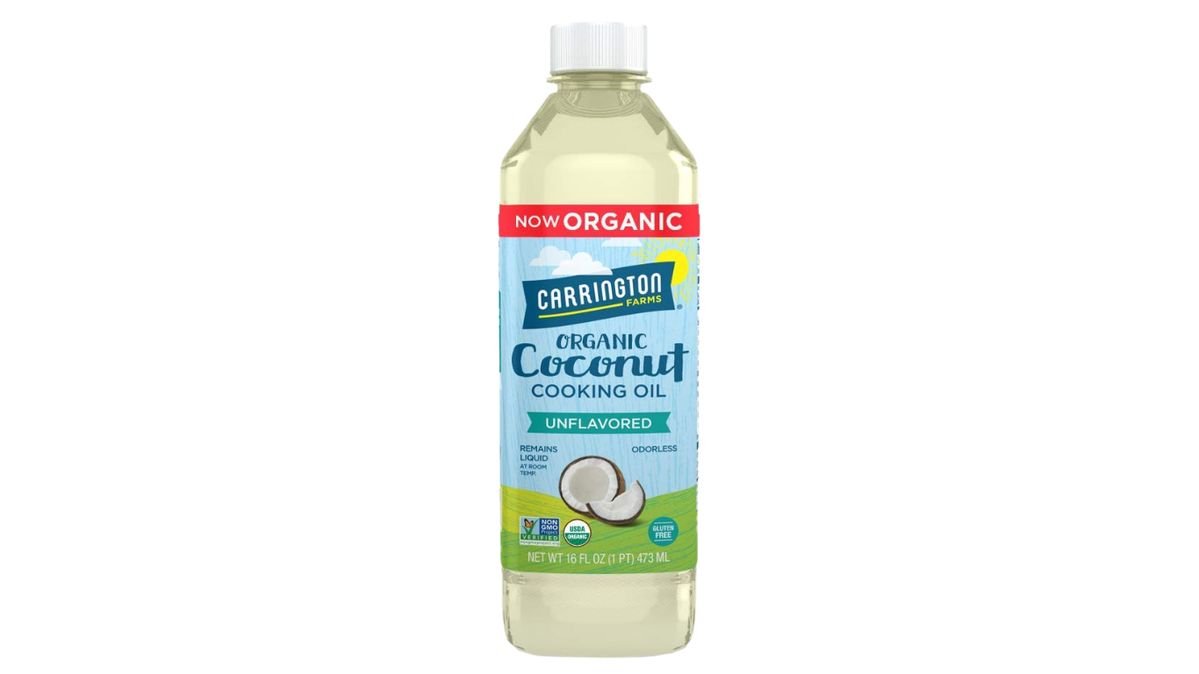
Our coconut oil is a cooking oil extracted from the meat of mature coconuts. Many households use it for frying, baking, and preparing traditional foods. It has a mild coconut aroma and a smooth texture when melted.
At room temperature, coconut oil is usually solid or semi-solid. It melts at about 24–26°C, which means it quickly turns into liquid when heated for cooking.
How coconut oil is produced
Manufacturers extract coconut oil from dried coconut meat called copra or from fresh coconut meat.
Two common types exist.
Virgin coconut oil comes from fresh coconuts with minimal processing. It keeps the natural coconut flavor and aroma. Many people prefer this type for health and cooking.
Refined coconut oil goes through filtering and deodorizing. This removes the coconut smell and makes it more suitable for high-temperature cooking.
Why people use coconut oil for cooking
Coconut oil works well in the kitchen because it stays stable under heat. Its smoke point is around 175–200°C depending on the type, which makes it suitable for frying and sautéing.
You can use it for:
Frying fish, chicken, and vegetables.
Cooking rice or sauces.
Baking cakes and pastries.
Greasing pans instead of butter or margarine.
Many Asian and tropical cuisines rely heavily on coconut oil because it adds flavor and holds up well during cooking.
Devine sunflower Oil
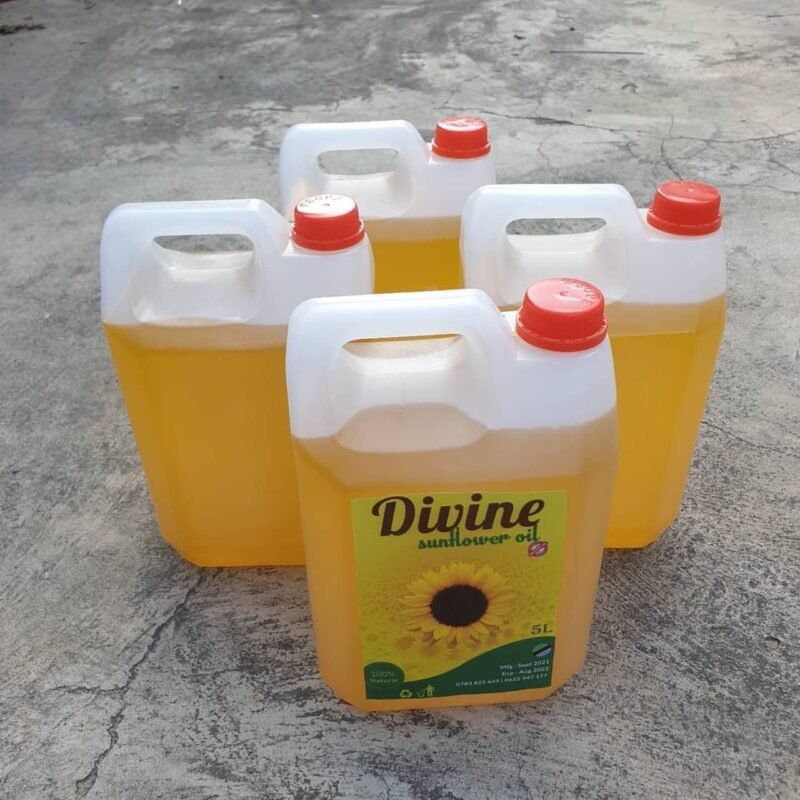
Divine Sunflower Oil
Our divine Sunflower Oil is a type of cooking oil made from sunflower seeds. It is commonly used for frying, baking, and general cooking because it is light and has a neutral taste.
1. What it is made from
Divine sunflower oil comes from sunflower seeds (Helianthus annuus). The seeds are pressed to extract oil. Manufacturers may produce it in two main forms:
-
Refined sunflower oil – processed to remove impurities. Good for frying.
-
Cold-pressed sunflower oil – extracted naturally with less processing. Often considered healthier.
2. Key characteristics
-
Light yellow color
-
Mild flavor that does not overpower food
-
High smoke point, suitable for frying and roasting
-
Low in saturated fat compared to many cooking fats
3. Nutritional benefits
Sunflower oil contains nutrients that support health when used in moderation.
Main benefits
-
Rich in Vitamin E, an antioxidant that protects cells.
-
Contains unsaturated fats that can help lower LDL (bad cholesterol).
-
Supports heart health when used instead of saturated fats.
-
Helps maintain healthy skin and hair due to omega-6 fatty acids.
Pure sunflower oil
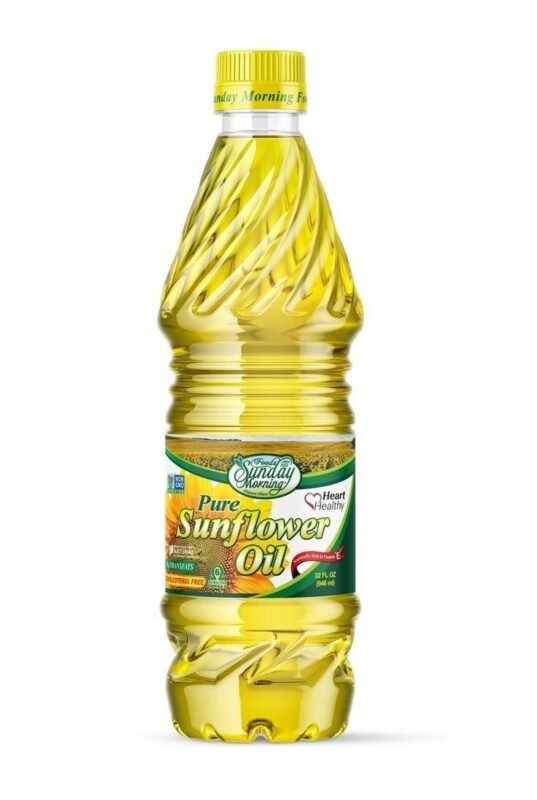
Our pure sunflower oil is a vegetable oil extracted from sunflower seeds. Producers press the seeds to release the oil. The oil is then filtered. Some brands refine it further to improve shelf life and stability.
This oil is widely used for cooking because it has a light taste, high smoke point, and useful nutrients.
1. Nutritional profile
Pure sunflower oil contains several important nutrients.
| Nutrient | Benefit |
|---|---|
| Vitamin E | Protects cells from damage |
| Unsaturated fats | Supports heart health |
| Omega-6 fatty acids | Supports body growth and skin health |
| Phytosterols | May help reduce cholesterol |
One tablespoon of sunflower oil contains about:
-
120 calories
-
14 g fat
-
0 g carbohydrates
-
0 g protein
Most of the fat is polyunsaturated fat, which is considered healthier than saturated fat when used in moderation.
2. Health benefits
Supports heart health
Sunflower oil contains unsaturated fats that can help reduce LDL cholesterol.
Studies show replacing saturated fats with unsaturated oils can reduce heart disease risk by 10–30%.
Rich in vitamin E
Vitamin E acts as an antioxidant.
Benefits include:
-
Protects body cells
-
Supports immune system
-
Helps reduce oxidative stress
One tablespoon can provide 30–40% of the daily vitamin E requirement.
Supports skin health
Sunflower oil helps maintain the skin barrier and retain moisture.
It is often used in:
-
Skin creams
-
Body oils
-
Baby care products
The oil contains linoleic acid, which supports skin repair.
Good for cooking
Sunflower oil has a high smoke point (around 230°C). This means it can handle high heat without breaking down quickly.
You can use it for:
-
Frying
-
Roasting
-
Baking
-
Stir-frying
It also does not change the taste of food, which makes it ideal for many recipes.
Refined Palm Oil
Palm Oil for Cooking
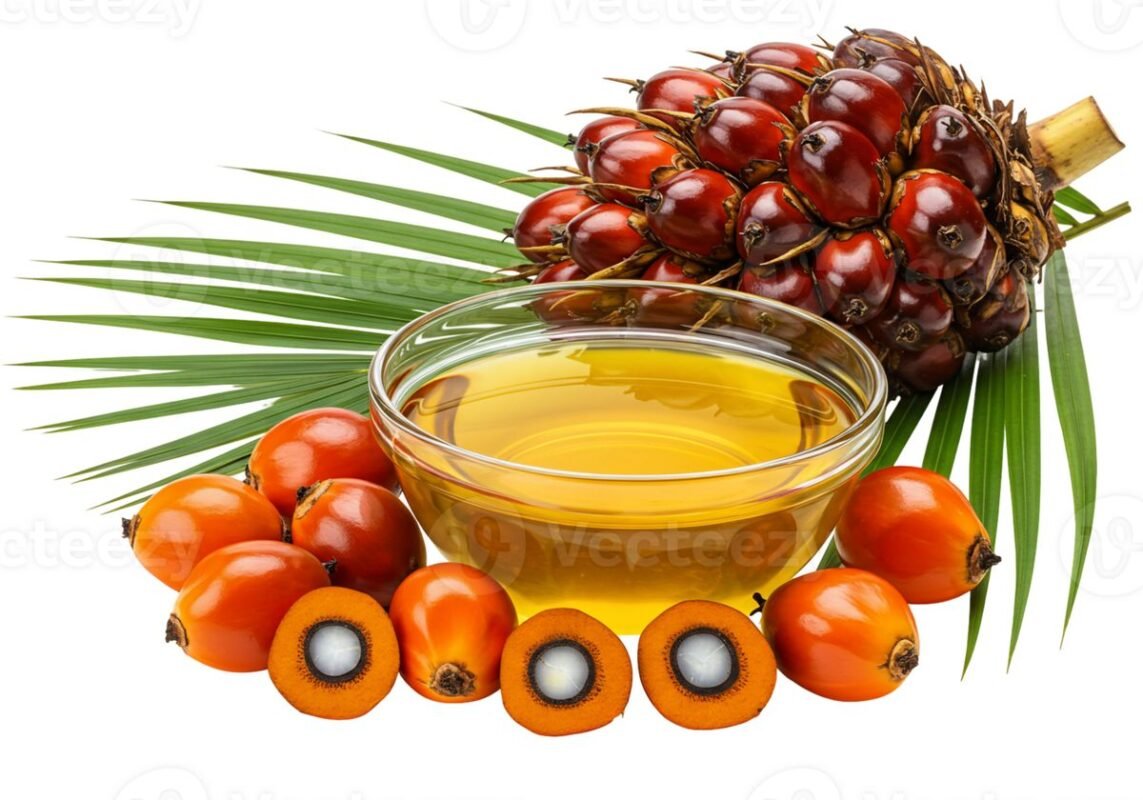
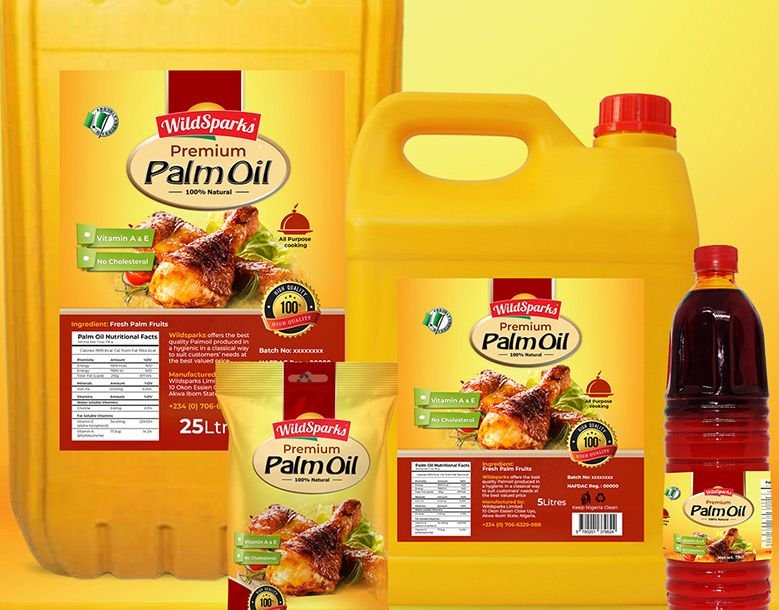
Our palm oil is a vegetable oil extracted from the fruit of the oil palm tree. Many households use it for daily cooking because it is affordable, stable at high heat, and rich in natural nutrients. It is widely used in Africa, Asia, and parts of South America.
Palm oil exists in two main forms used for cooking. The first is red palm oil, which keeps its natural red-orange color and contains more nutrients. The second is refined palm oil, which is processed to remove the color and odor. Refined oil is more common in commercial food production.
Why people cook with palm oil
Palm oil performs well in the kitchen. It tolerates heat and keeps food stable during frying.
You can use it to fry meat, fish, plantains, or vegetables. It also works for stews, sauces, and rice dishes. Many traditional African meals use palm oil because it adds flavor and color.
The oil also has a high smoke point, usually around 230°C. This means it can handle high temperatures before breaking down. Oils with high smoke points are better for deep frying.
Soybean Oil
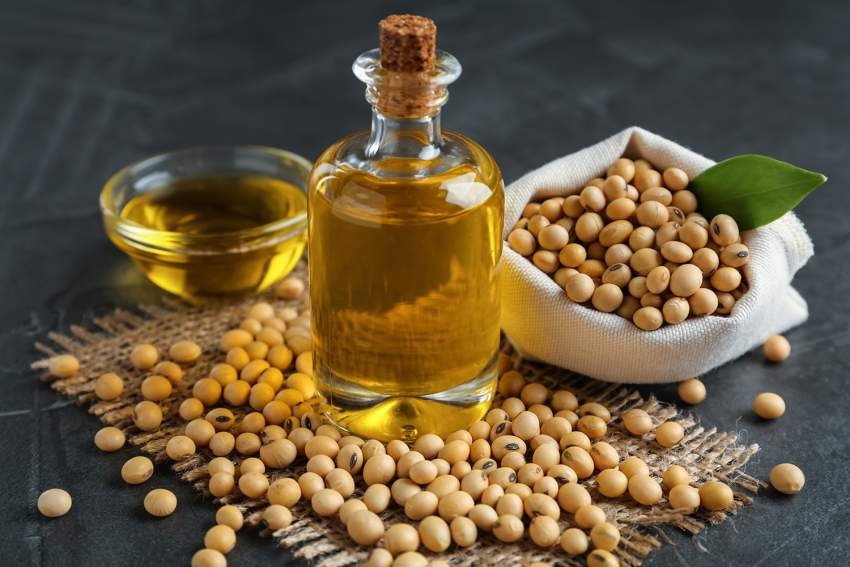
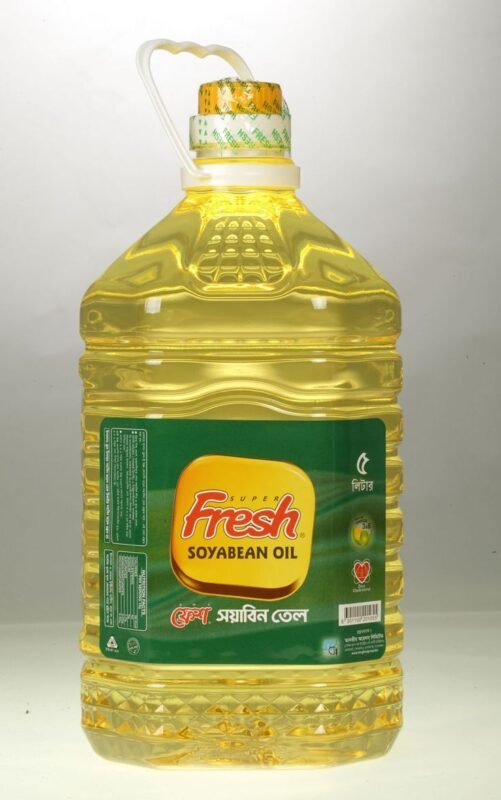
Pure soybean oil is a vegetable oil extracted from soybeans. It is one of the most widely used cooking oils in the world. Food industries, restaurants, and households use it because it is affordable, stable during cooking, and has a neutral taste.
What pure soybean oil is
Pure soybean oil comes from the seeds of the soybean plant. Manufacturers clean the soybeans, crush them, and extract the oil. The oil then goes through refining to remove impurities, odor, and color. The final product is a clear, light-yellow oil suitable for cooking.
Soybean oil is widely produced in countries such as the United States, Brazil, Argentina, and China. These countries account for more than 80 percent of global soybean oil production.
Nutritional composition
Soybean oil contains several important nutrients that support health.
It is rich in polyunsaturated and monounsaturated fats. These are healthier fats compared to saturated fats found in animal products.
It also contains vitamin E, an antioxidant that helps protect body cells from damage. One tablespoon of soybean oil can provide about 10 percent of the recommended daily intake of vitamin E.
Soybean oil also contains omega-3 and omega-6 fatty acids, which are essential fats the body cannot produce on its own.
Refined Palm Oil
Palm Oil for Cooking
Our palm oil is a vegetable oil extracted from the fruit of the oil palm tree. Many households use it for daily cooking because it is affordable, stable at high heat, and rich in natural nutrients. It is widely used in Africa, Asia, and parts of South America.
Palm oil exists in two main forms used for cooking. The first is red palm oil, which keeps its natural red-orange color and contains more nutrients. The second is refined palm oil, which is processed to remove the color and odor. Refined oil is more common in commercial food production.
Why people cook with palm oil
Palm oil performs well in the kitchen. It tolerates heat and keeps food stable during frying.
You can use it to fry meat, fish, plantains, or vegetables. It also works for stews, sauces, and rice dishes. Many traditional African meals use palm oil because it adds flavor and color.
The oil also has a high smoke point, usually around 230°C. This means it can handle high temperatures before breaking down. Oils with high smoke points are better for deep frying.
Product successfully added to the Quote List
Coconut Oil
Coconut Oil for Cooking
Our coconut oil is a cooking oil extracted from the meat of mature coconuts. Many households use it for frying, baking, and preparing traditional foods. It has a mild coconut aroma and a smooth texture when melted.
At room temperature, coconut oil is usually solid or semi-solid. It melts at about 24–26°C, which means it quickly turns into liquid when heated for cooking.
How coconut oil is produced
Manufacturers extract coconut oil from dried coconut meat called copra or from fresh coconut meat.
Two common types exist.
Virgin coconut oil comes from fresh coconuts with minimal processing. It keeps the natural coconut flavor and aroma. Many people prefer this type for health and cooking.
Refined coconut oil goes through filtering and deodorizing. This removes the coconut smell and makes it more suitable for high-temperature cooking.
Why people use coconut oil for cooking
Coconut oil works well in the kitchen because it stays stable under heat. Its smoke point is around 175–200°C depending on the type, which makes it suitable for frying and sautéing.
You can use it for:
Frying fish, chicken, and vegetables.
Cooking rice or sauces.
Baking cakes and pastries.
Greasing pans instead of butter or margarine.
Many Asian and tropical cuisines rely heavily on coconut oil because it adds flavor and holds up well during cooking.
Product successfully added to the Quote List
Soybean Oil
Pure soybean oil is a vegetable oil extracted from soybeans. It is one of the most widely used cooking oils in the world. Food industries, restaurants, and households use it because it is affordable, stable during cooking, and has a neutral taste.
What pure soybean oil is
Pure soybean oil comes from the seeds of the soybean plant. Manufacturers clean the soybeans, crush them, and extract the oil. The oil then goes through refining to remove impurities, odor, and color. The final product is a clear, light-yellow oil suitable for cooking.
Soybean oil is widely produced in countries such as the United States, Brazil, Argentina, and China. These countries account for more than 80 percent of global soybean oil production.
Nutritional composition
Soybean oil contains several important nutrients that support health.
It is rich in polyunsaturated and monounsaturated fats. These are healthier fats compared to saturated fats found in animal products.
It also contains vitamin E, an antioxidant that helps protect body cells from damage. One tablespoon of soybean oil can provide about 10 percent of the recommended daily intake of vitamin E.
Soybean oil also contains omega-3 and omega-6 fatty acids, which are essential fats the body cannot produce on its own.
Product successfully added to the Quote List
Pure sunflower oil
Our pure sunflower oil is a vegetable oil extracted from sunflower seeds. Producers press the seeds to release the oil. The oil is then filtered. Some brands refine it further to improve shelf life and stability.
This oil is widely used for cooking because it has a light taste, high smoke point, and useful nutrients.
1. Nutritional profile
Pure sunflower oil contains several important nutrients.
| Nutrient | Benefit |
|---|---|
| Vitamin E | Protects cells from damage |
| Unsaturated fats | Supports heart health |
| Omega-6 fatty acids | Supports body growth and skin health |
| Phytosterols | May help reduce cholesterol |
One tablespoon of sunflower oil contains about:
-
120 calories
-
14 g fat
-
0 g carbohydrates
-
0 g protein
Most of the fat is polyunsaturated fat, which is considered healthier than saturated fat when used in moderation.
2. Health benefits
Supports heart health
Sunflower oil contains unsaturated fats that can help reduce LDL cholesterol.
Studies show replacing saturated fats with unsaturated oils can reduce heart disease risk by 10–30%.
Rich in vitamin E
Vitamin E acts as an antioxidant.
Benefits include:
-
Protects body cells
-
Supports immune system
-
Helps reduce oxidative stress
One tablespoon can provide 30–40% of the daily vitamin E requirement.
Supports skin health
Sunflower oil helps maintain the skin barrier and retain moisture.
It is often used in:
-
Skin creams
-
Body oils
-
Baby care products
The oil contains linoleic acid, which supports skin repair.
Good for cooking
Sunflower oil has a high smoke point (around 230°C). This means it can handle high heat without breaking down quickly.
You can use it for:
-
Frying
-
Roasting
-
Baking
-
Stir-frying
It also does not change the taste of food, which makes it ideal for many recipes.
Product successfully added to the Quote List
Devine sunflower Oil
Divine Sunflower Oil
Our divine Sunflower Oil is a type of cooking oil made from sunflower seeds. It is commonly used for frying, baking, and general cooking because it is light and has a neutral taste.
1. What it is made from
Divine sunflower oil comes from sunflower seeds (Helianthus annuus). The seeds are pressed to extract oil. Manufacturers may produce it in two main forms:
-
Refined sunflower oil – processed to remove impurities. Good for frying.
-
Cold-pressed sunflower oil – extracted naturally with less processing. Often considered healthier.
2. Key characteristics
-
Light yellow color
-
Mild flavor that does not overpower food
-
High smoke point, suitable for frying and roasting
-
Low in saturated fat compared to many cooking fats
3. Nutritional benefits
Sunflower oil contains nutrients that support health when used in moderation.
Main benefits
-
Rich in Vitamin E, an antioxidant that protects cells.
-
Contains unsaturated fats that can help lower LDL (bad cholesterol).
-
Supports heart health when used instead of saturated fats.
-
Helps maintain healthy skin and hair due to omega-6 fatty acids.
Product successfully added to the Quote List
Refined Palm Oil
Palm Oil for Cooking
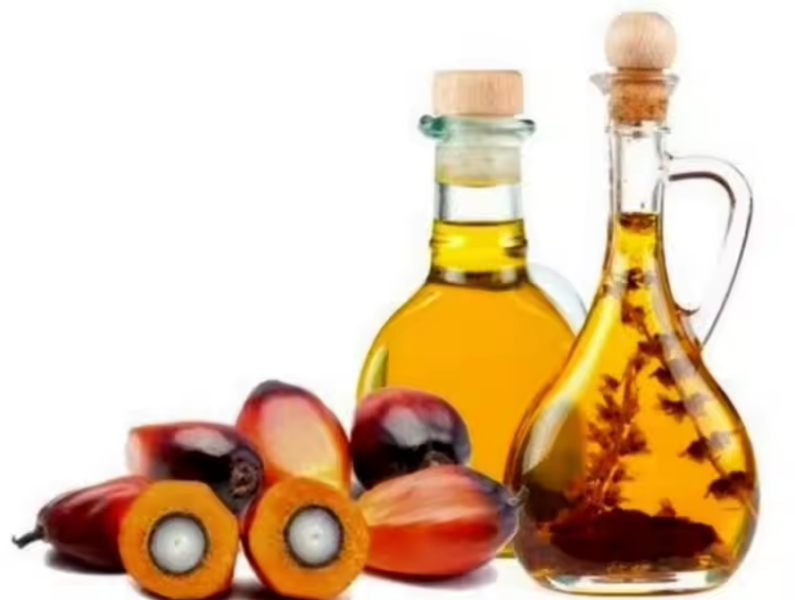
Our palm oil is a vegetable oil extracted from the fruit of the oil palm tree. Many households use it for daily cooking because it is affordable, stable at high heat, and rich in natural nutrients. It is widely used in Africa, Asia, and parts of South America.
Palm oil exists in two main forms used for cooking. The first is red palm oil, which keeps its natural red-orange color and contains more nutrients. The second is refined palm oil, which is processed to remove the color and odor. Refined oil is more common in commercial food production.
Why people cook with palm oil
Palm oil performs well in the kitchen. It tolerates heat and keeps food stable during frying.
You can use it to fry meat, fish, plantains, or vegetables. It also works for stews, sauces, and rice dishes. Many traditional African meals use palm oil because it adds flavor and color.
The oil also has a high smoke point, usually around 230°C. This means it can handle high temperatures before breaking down. Oils with high smoke points are better for deep frying.
Product successfully added to the Quote List
Coconut Oil
Coconut Oil for Cooking
Our coconut oil is a cooking oil extracted from the meat of mature coconuts. Many households use it for frying, baking, and preparing traditional foods. It has a mild coconut aroma and a smooth texture when melted.
At room temperature, coconut oil is usually solid or semi-solid. It melts at about 24–26°C, which means it quickly turns into liquid when heated for cooking.
How coconut oil is produced
Manufacturers extract coconut oil from dried coconut meat called copra or from fresh coconut meat.
Two common types exist.
Virgin coconut oil comes from fresh coconuts with minimal processing. It keeps the natural coconut flavor and aroma. Many people prefer this type for health and cooking.
Refined coconut oil goes through filtering and deodorizing. This removes the coconut smell and makes it more suitable for high-temperature cooking.
Why people use coconut oil for cooking
Coconut oil works well in the kitchen because it stays stable under heat. Its smoke point is around 175–200°C depending on the type, which makes it suitable for frying and sautéing.
You can use it for:
Frying fish, chicken, and vegetables.
Cooking rice or sauces.
Baking cakes and pastries.
Greasing pans instead of butter or margarine.
Many Asian and tropical cuisines rely heavily on coconut oil because it adds flavor and holds up well during cooking.
Product successfully added to the Quote List
Soybean Oil
Pure soybean oil is a vegetable oil extracted from soybeans. It is one of the most widely used cooking oils in the world. Food industries, restaurants, and households use it because it is affordable, stable during cooking, and has a neutral taste.
What pure soybean oil is
Pure soybean oil comes from the seeds of the soybean plant. Manufacturers clean the soybeans, crush them, and extract the oil. The oil then goes through refining to remove impurities, odor, and color. The final product is a clear, light-yellow oil suitable for cooking.
Soybean oil is widely produced in countries such as the United States, Brazil, Argentina, and China. These countries account for more than 80 percent of global soybean oil production.
Nutritional composition
Soybean oil contains several important nutrients that support health.
It is rich in polyunsaturated and monounsaturated fats. These are healthier fats compared to saturated fats found in animal products.
It also contains vitamin E, an antioxidant that helps protect body cells from damage. One tablespoon of soybean oil can provide about 10 percent of the recommended daily intake of vitamin E.
Soybean oil also contains omega-3 and omega-6 fatty acids, which are essential fats the body cannot produce on its own.
Product successfully added to the Quote List
Pure sunflower oil
Our pure sunflower oil is a vegetable oil extracted from sunflower seeds. Producers press the seeds to release the oil. The oil is then filtered. Some brands refine it further to improve shelf life and stability.
This oil is widely used for cooking because it has a light taste, high smoke point, and useful nutrients.
1. Nutritional profile
Pure sunflower oil contains several important nutrients.
| Nutrient | Benefit |
|---|---|
| Vitamin E | Protects cells from damage |
| Unsaturated fats | Supports heart health |
| Omega-6 fatty acids | Supports body growth and skin health |
| Phytosterols | May help reduce cholesterol |
One tablespoon of sunflower oil contains about:
-
120 calories
-
14 g fat
-
0 g carbohydrates
-
0 g protein
Most of the fat is polyunsaturated fat, which is considered healthier than saturated fat when used in moderation.
2. Health benefits
Supports heart health
Sunflower oil contains unsaturated fats that can help reduce LDL cholesterol.
Studies show replacing saturated fats with unsaturated oils can reduce heart disease risk by 10–30%.
Rich in vitamin E
Vitamin E acts as an antioxidant.
Benefits include:
-
Protects body cells
-
Supports immune system
-
Helps reduce oxidative stress
One tablespoon can provide 30–40% of the daily vitamin E requirement.
Supports skin health
Sunflower oil helps maintain the skin barrier and retain moisture.
It is often used in:
-
Skin creams
-
Body oils
-
Baby care products
The oil contains linoleic acid, which supports skin repair.
Good for cooking
Sunflower oil has a high smoke point (around 230°C). This means it can handle high heat without breaking down quickly.
You can use it for:
-
Frying
-
Roasting
-
Baking
-
Stir-frying
It also does not change the taste of food, which makes it ideal for many recipes.
Product successfully added to the Quote List
Devine sunflower Oil
Divine Sunflower Oil
Our divine Sunflower Oil is a type of cooking oil made from sunflower seeds. It is commonly used for frying, baking, and general cooking because it is light and has a neutral taste.
1. What it is made from
Divine sunflower oil comes from sunflower seeds (Helianthus annuus). The seeds are pressed to extract oil. Manufacturers may produce it in two main forms:
-
Refined sunflower oil – processed to remove impurities. Good for frying.
-
Cold-pressed sunflower oil – extracted naturally with less processing. Often considered healthier.
2. Key characteristics
-
Light yellow color
-
Mild flavor that does not overpower food
-
High smoke point, suitable for frying and roasting
-
Low in saturated fat compared to many cooking fats
3. Nutritional benefits
Sunflower oil contains nutrients that support health when used in moderation.
Main benefits
-
Rich in Vitamin E, an antioxidant that protects cells.
-
Contains unsaturated fats that can help lower LDL (bad cholesterol).
-
Supports heart health when used instead of saturated fats.
-
Helps maintain healthy skin and hair due to omega-6 fatty acids.
Product successfully added to the Quote List
SALE PRODUCTS
Soybean Oil
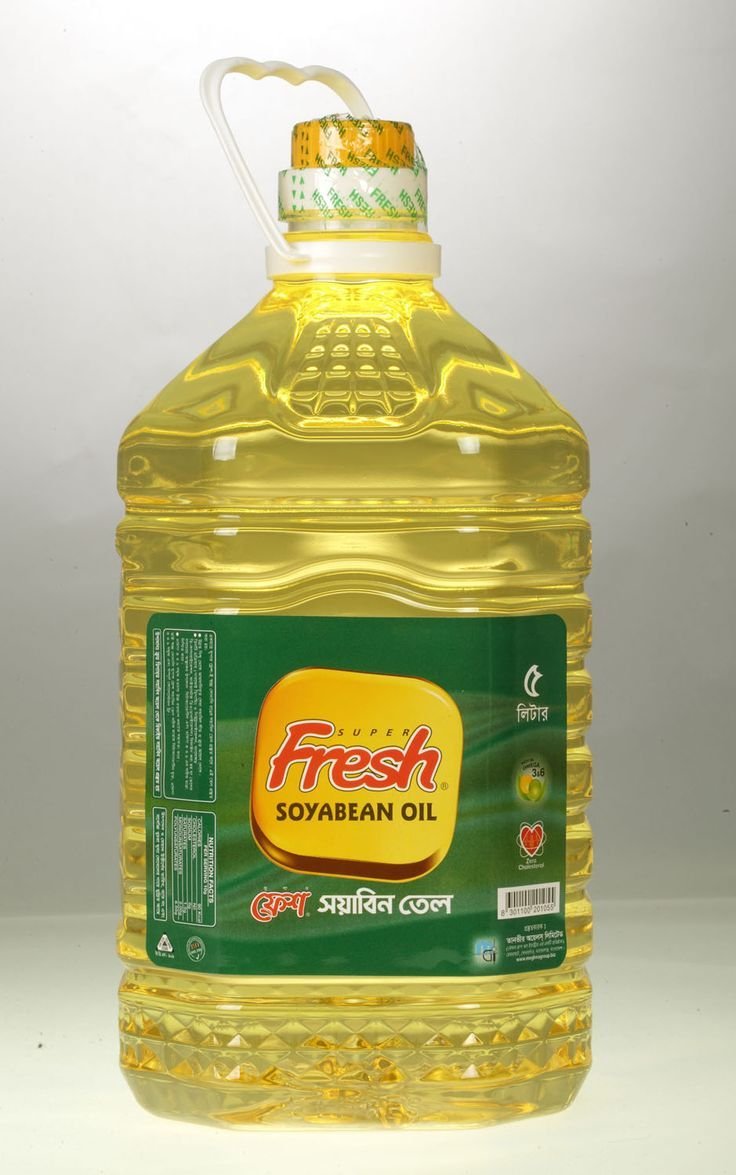
Pure soybean oil is a vegetable oil extracted from soybeans. It is one of the most widely used cooking oils in the world. Food industries, restaurants, and households use it because it is affordable, stable during cooking, and has a neutral taste.
What pure soybean oil is
Pure soybean oil comes from the seeds of the soybean plant. Manufacturers clean the soybeans, crush them, and extract the oil. The oil then goes through refining to remove impurities, odor, and color. The final product is a clear, light-yellow oil suitable for cooking.
Soybean oil is widely produced in countries such as the United States, Brazil, Argentina, and China. These countries account for more than 80 percent of global soybean oil production.
Nutritional composition
Soybean oil contains several important nutrients that support health.
It is rich in polyunsaturated and monounsaturated fats. These are healthier fats compared to saturated fats found in animal products.
It also contains vitamin E, an antioxidant that helps protect body cells from damage. One tablespoon of soybean oil can provide about 10 percent of the recommended daily intake of vitamin E.
Soybean oil also contains omega-3 and omega-6 fatty acids, which are essential fats the body cannot produce on its own.
Devine sunflower Oil
Divine Sunflower Oil
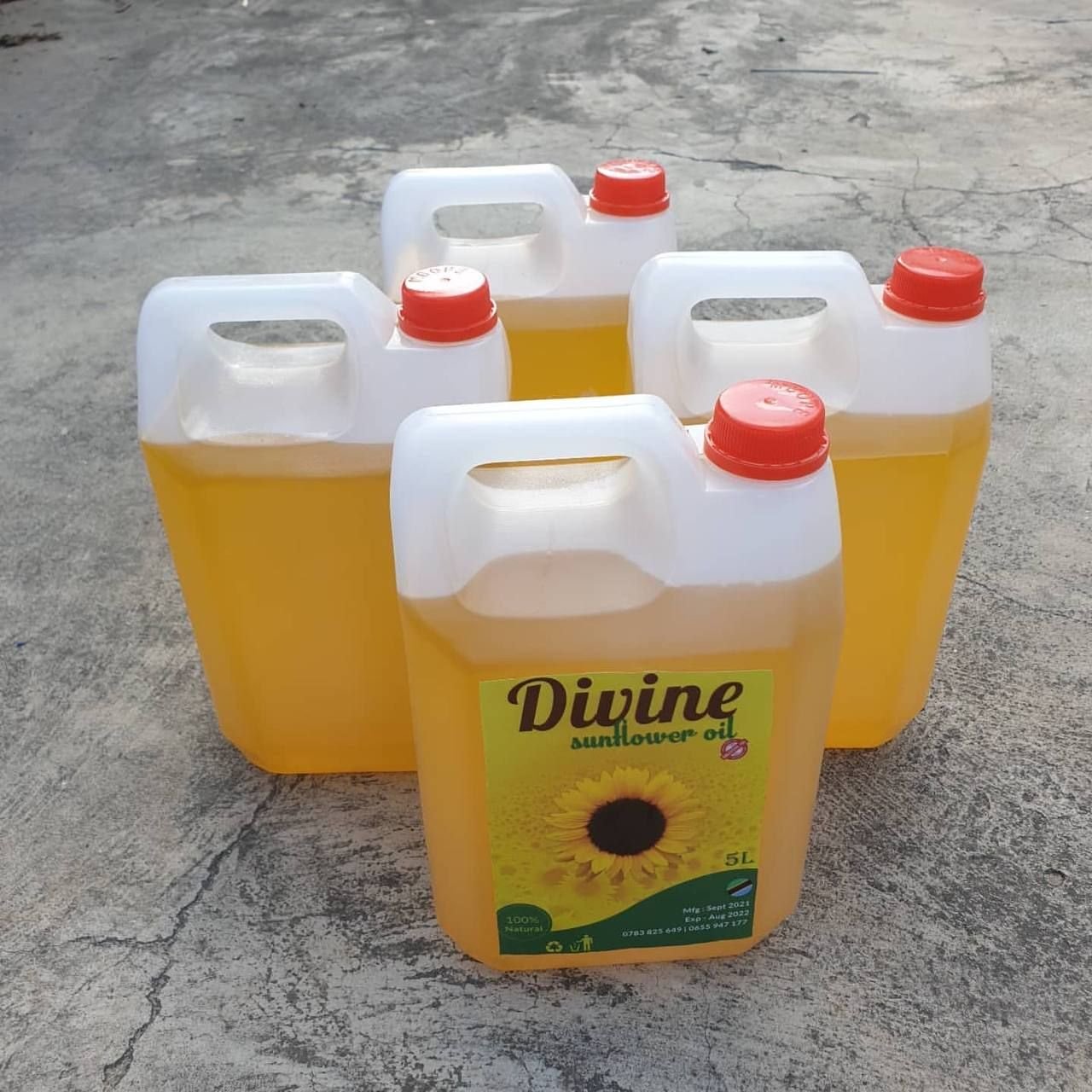
Our divine Sunflower Oil is a type of cooking oil made from sunflower seeds. It is commonly used for frying, baking, and general cooking because it is light and has a neutral taste.
1. What it is made from
Divine sunflower oil comes from sunflower seeds (Helianthus annuus). The seeds are pressed to extract oil. Manufacturers may produce it in two main forms:
-
Refined sunflower oil – processed to remove impurities. Good for frying.
-
Cold-pressed sunflower oil – extracted naturally with less processing. Often considered healthier.
2. Key characteristics
-
Light yellow color
-
Mild flavor that does not overpower food
-
High smoke point, suitable for frying and roasting
-
Low in saturated fat compared to many cooking fats
3. Nutritional benefits
Sunflower oil contains nutrients that support health when used in moderation.
Main benefits
-
Rich in Vitamin E, an antioxidant that protects cells.
-
Contains unsaturated fats that can help lower LDL (bad cholesterol).
-
Supports heart health when used instead of saturated fats.
-
Helps maintain healthy skin and hair due to omega-6 fatty acids.
Coconut Oil
Coconut Oil for Cooking
Our coconut oil is a cooking oil extracted from the meat of mature coconuts. Many households use it for frying, baking, and preparing traditional foods. It has a mild coconut aroma and a smooth texture when melted.
At room temperature, coconut oil is usually solid or semi-solid. It melts at about 24–26°C, which means it quickly turns into liquid when heated for cooking.
How coconut oil is produced
Manufacturers extract coconut oil from dried coconut meat called copra or from fresh coconut meat.
Two common types exist.
Virgin coconut oil comes from fresh coconuts with minimal processing. It keeps the natural coconut flavor and aroma. Many people prefer this type for health and cooking.
Refined coconut oil goes through filtering and deodorizing. This removes the coconut smell and makes it more suitable for high-temperature cooking.
Why people use coconut oil for cooking
Coconut oil works well in the kitchen because it stays stable under heat. Its smoke point is around 175–200°C depending on the type, which makes it suitable for frying and sautéing.
You can use it for:
Frying fish, chicken, and vegetables.
Cooking rice or sauces.
Baking cakes and pastries.
Greasing pans instead of butter or margarine.
Many Asian and tropical cuisines rely heavily on coconut oil because it adds flavor and holds up well during cooking.
Pure sunflower oil
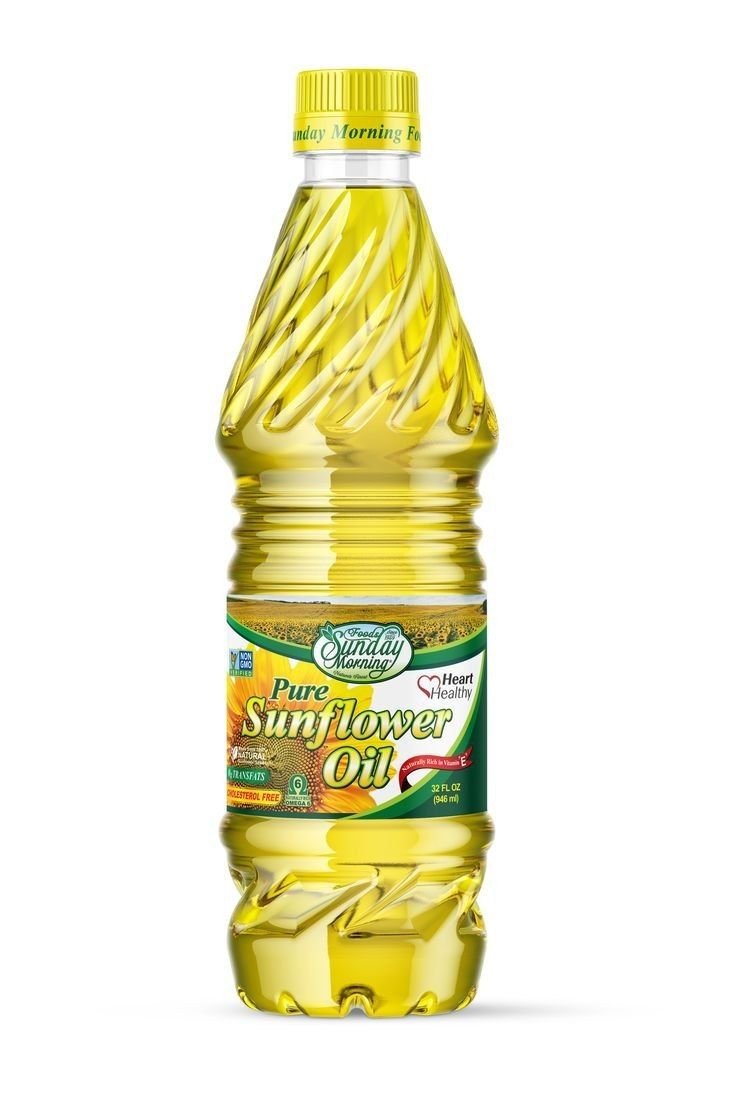
Our pure sunflower oil is a vegetable oil extracted from sunflower seeds. Producers press the seeds to release the oil. The oil is then filtered. Some brands refine it further to improve shelf life and stability.
This oil is widely used for cooking because it has a light taste, high smoke point, and useful nutrients.
1. Nutritional profile
Pure sunflower oil contains several important nutrients.
| Nutrient | Benefit |
|---|---|
| Vitamin E | Protects cells from damage |
| Unsaturated fats | Supports heart health |
| Omega-6 fatty acids | Supports body growth and skin health |
| Phytosterols | May help reduce cholesterol |
One tablespoon of sunflower oil contains about:
-
120 calories
-
14 g fat
-
0 g carbohydrates
-
0 g protein
Most of the fat is polyunsaturated fat, which is considered healthier than saturated fat when used in moderation.
2. Health benefits
Supports heart health
Sunflower oil contains unsaturated fats that can help reduce LDL cholesterol.
Studies show replacing saturated fats with unsaturated oils can reduce heart disease risk by 10–30%.
Rich in vitamin E
Vitamin E acts as an antioxidant.
Benefits include:
-
Protects body cells
-
Supports immune system
-
Helps reduce oxidative stress
One tablespoon can provide 30–40% of the daily vitamin E requirement.
Supports skin health
Sunflower oil helps maintain the skin barrier and retain moisture.
It is often used in:
-
Skin creams
-
Body oils
-
Baby care products
The oil contains linoleic acid, which supports skin repair.
Good for cooking
Sunflower oil has a high smoke point (around 230°C). This means it can handle high heat without breaking down quickly.
You can use it for:
-
Frying
-
Roasting
-
Baking
-
Stir-frying
It also does not change the taste of food, which makes it ideal for many recipes.
Refined Palm Oil
Palm Oil for Cooking
Our palm oil is a vegetable oil extracted from the fruit of the oil palm tree. Many households use it for daily cooking because it is affordable, stable at high heat, and rich in natural nutrients. It is widely used in Africa, Asia, and parts of South America.
Palm oil exists in two main forms used for cooking. The first is red palm oil, which keeps its natural red-orange color and contains more nutrients. The second is refined palm oil, which is processed to remove the color and odor. Refined oil is more common in commercial food production.
Why people cook with palm oil
Palm oil performs well in the kitchen. It tolerates heat and keeps food stable during frying.
You can use it to fry meat, fish, plantains, or vegetables. It also works for stews, sauces, and rice dishes. Many traditional African meals use palm oil because it adds flavor and color.
The oil also has a high smoke point, usually around 230°C. This means it can handle high temperatures before breaking down. Oils with high smoke points are better for deep frying.
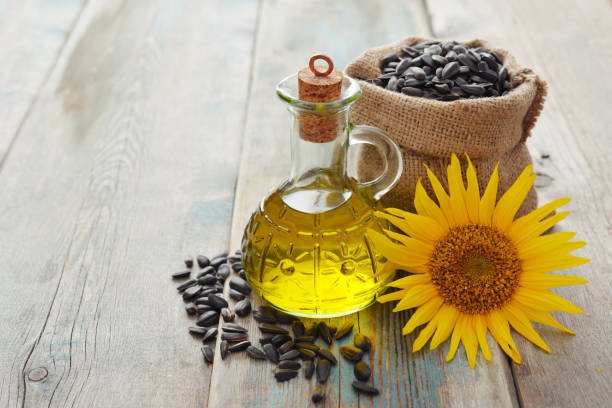
Pure sunflower oil
Our pure sunflower oil is a vegetable oil extracted from sunflower seeds. Producers press the seeds to release the oil. The oil is then filtered. Some brands refine it further to improve shelf life and stability.
This oil is widely used for cooking because it has a light taste, high smoke point, and useful nutrients.
1. Nutritional profile
Pure sunflower oil contains several important nutrients.
| Nutrient | Benefit |
|---|---|
| Vitamin E | Protects cells from damage |
| Unsaturated fats | Supports heart health |
| Omega-6 fatty acids | Supports body growth and skin health |
| Phytosterols | May help reduce cholesterol |
One tablespoon of sunflower oil contains about:
-
120 calories
-
14 g fat
-
0 g carbohydrates
-
0 g protein
Most of the fat is polyunsaturated fat, which is considered healthier than saturated fat when used in moderation.
2. Health benefits
Supports heart health
Sunflower oil contains unsaturated fats that can help reduce LDL cholesterol.
Studies show replacing saturated fats with unsaturated oils can reduce heart disease risk by 10–30%.
Rich in vitamin E
Vitamin E acts as an antioxidant.
Benefits include:
-
Protects body cells
-
Supports immune system
-
Helps reduce oxidative stress
One tablespoon can provide 30–40% of the daily vitamin E requirement.
Supports skin health
Sunflower oil helps maintain the skin barrier and retain moisture.
It is often used in:
-
Skin creams
-
Body oils
-
Baby care products
The oil contains linoleic acid, which supports skin repair.
Good for cooking
Sunflower oil has a high smoke point (around 230°C). This means it can handle high heat without breaking down quickly.
You can use it for:
-
Frying
-
Roasting
-
Baking
-
Stir-frying
It also does not change the taste of food, which makes it ideal for many recipes.
Refined Palm Oil
Palm Oil for Cooking
Our palm oil is a vegetable oil extracted from the fruit of the oil palm tree. Many households use it for daily cooking because it is affordable, stable at high heat, and rich in natural nutrients. It is widely used in Africa, Asia, and parts of South America.
Palm oil exists in two main forms used for cooking. The first is red palm oil, which keeps its natural red-orange color and contains more nutrients. The second is refined palm oil, which is processed to remove the color and odor. Refined oil is more common in commercial food production.
Why people cook with palm oil
Palm oil performs well in the kitchen. It tolerates heat and keeps food stable during frying.
You can use it to fry meat, fish, plantains, or vegetables. It also works for stews, sauces, and rice dishes. Many traditional African meals use palm oil because it adds flavor and color.
The oil also has a high smoke point, usually around 230°C. This means it can handle high temperatures before breaking down. Oils with high smoke points are better for deep frying.
Coconut Oil
Coconut Oil for Cooking
Our coconut oil is a cooking oil extracted from the meat of mature coconuts. Many households use it for frying, baking, and preparing traditional foods. It has a mild coconut aroma and a smooth texture when melted.
At room temperature, coconut oil is usually solid or semi-solid. It melts at about 24–26°C, which means it quickly turns into liquid when heated for cooking.
How coconut oil is produced
Manufacturers extract coconut oil from dried coconut meat called copra or from fresh coconut meat.
Two common types exist.
Virgin coconut oil comes from fresh coconuts with minimal processing. It keeps the natural coconut flavor and aroma. Many people prefer this type for health and cooking.
Refined coconut oil goes through filtering and deodorizing. This removes the coconut smell and makes it more suitable for high-temperature cooking.
Why people use coconut oil for cooking
Coconut oil works well in the kitchen because it stays stable under heat. Its smoke point is around 175–200°C depending on the type, which makes it suitable for frying and sautéing.
You can use it for:
Frying fish, chicken, and vegetables.
Cooking rice or sauces.
Baking cakes and pastries.
Greasing pans instead of butter or margarine.
Many Asian and tropical cuisines rely heavily on coconut oil because it adds flavor and holds up well during cooking.
Soybean Oil
Pure soybean oil is a vegetable oil extracted from soybeans. It is one of the most widely used cooking oils in the world. Food industries, restaurants, and households use it because it is affordable, stable during cooking, and has a neutral taste.
What pure soybean oil is
Pure soybean oil comes from the seeds of the soybean plant. Manufacturers clean the soybeans, crush them, and extract the oil. The oil then goes through refining to remove impurities, odor, and color. The final product is a clear, light-yellow oil suitable for cooking.
Soybean oil is widely produced in countries such as the United States, Brazil, Argentina, and China. These countries account for more than 80 percent of global soybean oil production.
Nutritional composition
Soybean oil contains several important nutrients that support health.
It is rich in polyunsaturated and monounsaturated fats. These are healthier fats compared to saturated fats found in animal products.
It also contains vitamin E, an antioxidant that helps protect body cells from damage. One tablespoon of soybean oil can provide about 10 percent of the recommended daily intake of vitamin E.
Soybean oil also contains omega-3 and omega-6 fatty acids, which are essential fats the body cannot produce on its own.
Devine sunflower Oil
Divine Sunflower Oil
Our divine Sunflower Oil is a type of cooking oil made from sunflower seeds. It is commonly used for frying, baking, and general cooking because it is light and has a neutral taste.
1. What it is made from
Divine sunflower oil comes from sunflower seeds (Helianthus annuus). The seeds are pressed to extract oil. Manufacturers may produce it in two main forms:
-
Refined sunflower oil – processed to remove impurities. Good for frying.
-
Cold-pressed sunflower oil – extracted naturally with less processing. Often considered healthier.
2. Key characteristics
-
Light yellow color
-
Mild flavor that does not overpower food
-
High smoke point, suitable for frying and roasting
-
Low in saturated fat compared to many cooking fats
3. Nutritional benefits
Sunflower oil contains nutrients that support health when used in moderation.
Main benefits
-
Rich in Vitamin E, an antioxidant that protects cells.
-
Contains unsaturated fats that can help lower LDL (bad cholesterol).
-
Supports heart health when used instead of saturated fats.
-
Helps maintain healthy skin and hair due to omega-6 fatty acids.
Coconut Oil
Coconut Oil for Cooking
Our coconut oil is a cooking oil extracted from the meat of mature coconuts. Many households use it for frying, baking, and preparing traditional foods. It has a mild coconut aroma and a smooth texture when melted.
At room temperature, coconut oil is usually solid or semi-solid. It melts at about 24–26°C, which means it quickly turns into liquid when heated for cooking.
How coconut oil is produced
Manufacturers extract coconut oil from dried coconut meat called copra or from fresh coconut meat.
Two common types exist.
Virgin coconut oil comes from fresh coconuts with minimal processing. It keeps the natural coconut flavor and aroma. Many people prefer this type for health and cooking.
Refined coconut oil goes through filtering and deodorizing. This removes the coconut smell and makes it more suitable for high-temperature cooking.
Why people use coconut oil for cooking
Coconut oil works well in the kitchen because it stays stable under heat. Its smoke point is around 175–200°C depending on the type, which makes it suitable for frying and sautéing.
You can use it for:
Frying fish, chicken, and vegetables.
Cooking rice or sauces.
Baking cakes and pastries.
Greasing pans instead of butter or margarine.
Many Asian and tropical cuisines rely heavily on coconut oil because it adds flavor and holds up well during cooking.
Product successfully added to the Quote List
Devine sunflower Oil
Divine Sunflower Oil
Our divine Sunflower Oil is a type of cooking oil made from sunflower seeds. It is commonly used for frying, baking, and general cooking because it is light and has a neutral taste.
1. What it is made from
Divine sunflower oil comes from sunflower seeds (Helianthus annuus). The seeds are pressed to extract oil. Manufacturers may produce it in two main forms:
-
Refined sunflower oil – processed to remove impurities. Good for frying.
-
Cold-pressed sunflower oil – extracted naturally with less processing. Often considered healthier.
2. Key characteristics
-
Light yellow color
-
Mild flavor that does not overpower food
-
High smoke point, suitable for frying and roasting
-
Low in saturated fat compared to many cooking fats
3. Nutritional benefits
Sunflower oil contains nutrients that support health when used in moderation.
Main benefits
-
Rich in Vitamin E, an antioxidant that protects cells.
-
Contains unsaturated fats that can help lower LDL (bad cholesterol).
-
Supports heart health when used instead of saturated fats.
-
Helps maintain healthy skin and hair due to omega-6 fatty acids.
Product successfully added to the Quote List
Soybean Oil
Pure soybean oil is a vegetable oil extracted from soybeans. It is one of the most widely used cooking oils in the world. Food industries, restaurants, and households use it because it is affordable, stable during cooking, and has a neutral taste.
What pure soybean oil is
Pure soybean oil comes from the seeds of the soybean plant. Manufacturers clean the soybeans, crush them, and extract the oil. The oil then goes through refining to remove impurities, odor, and color. The final product is a clear, light-yellow oil suitable for cooking.
Soybean oil is widely produced in countries such as the United States, Brazil, Argentina, and China. These countries account for more than 80 percent of global soybean oil production.
Nutritional composition
Soybean oil contains several important nutrients that support health.
It is rich in polyunsaturated and monounsaturated fats. These are healthier fats compared to saturated fats found in animal products.
It also contains vitamin E, an antioxidant that helps protect body cells from damage. One tablespoon of soybean oil can provide about 10 percent of the recommended daily intake of vitamin E.
Soybean oil also contains omega-3 and omega-6 fatty acids, which are essential fats the body cannot produce on its own.
Product successfully added to the Quote List
Refined Palm Oil
Palm Oil for Cooking
Our palm oil is a vegetable oil extracted from the fruit of the oil palm tree. Many households use it for daily cooking because it is affordable, stable at high heat, and rich in natural nutrients. It is widely used in Africa, Asia, and parts of South America.
Palm oil exists in two main forms used for cooking. The first is red palm oil, which keeps its natural red-orange color and contains more nutrients. The second is refined palm oil, which is processed to remove the color and odor. Refined oil is more common in commercial food production.
Why people cook with palm oil
Palm oil performs well in the kitchen. It tolerates heat and keeps food stable during frying.
You can use it to fry meat, fish, plantains, or vegetables. It also works for stews, sauces, and rice dishes. Many traditional African meals use palm oil because it adds flavor and color.
The oil also has a high smoke point, usually around 230°C. This means it can handle high temperatures before breaking down. Oils with high smoke points are better for deep frying.
Product successfully added to the Quote List
Pure sunflower oil
Our pure sunflower oil is a vegetable oil extracted from sunflower seeds. Producers press the seeds to release the oil. The oil is then filtered. Some brands refine it further to improve shelf life and stability.
This oil is widely used for cooking because it has a light taste, high smoke point, and useful nutrients.
1. Nutritional profile
Pure sunflower oil contains several important nutrients.
| Nutrient | Benefit |
|---|---|
| Vitamin E | Protects cells from damage |
| Unsaturated fats | Supports heart health |
| Omega-6 fatty acids | Supports body growth and skin health |
| Phytosterols | May help reduce cholesterol |
One tablespoon of sunflower oil contains about:
-
120 calories
-
14 g fat
-
0 g carbohydrates
-
0 g protein
Most of the fat is polyunsaturated fat, which is considered healthier than saturated fat when used in moderation.
2. Health benefits
Supports heart health
Sunflower oil contains unsaturated fats that can help reduce LDL cholesterol.
Studies show replacing saturated fats with unsaturated oils can reduce heart disease risk by 10–30%.
Rich in vitamin E
Vitamin E acts as an antioxidant.
Benefits include:
-
Protects body cells
-
Supports immune system
-
Helps reduce oxidative stress
One tablespoon can provide 30–40% of the daily vitamin E requirement.
Supports skin health
Sunflower oil helps maintain the skin barrier and retain moisture.
It is often used in:
-
Skin creams
-
Body oils
-
Baby care products
The oil contains linoleic acid, which supports skin repair.
Good for cooking
Sunflower oil has a high smoke point (around 230°C). This means it can handle high heat without breaking down quickly.
You can use it for:
-
Frying
-
Roasting
-
Baking
-
Stir-frying
It also does not change the taste of food, which makes it ideal for many recipes.